At the Imatra core, safety is an integral part of professional expertise

At Corex’s Imatra core factory, workplace safety is part of everyday operations. Janne Kähö, Production Lead and Occupational Safety Representative, has seen firsthand how long-term, systematic safety efforts build a culture where safety is a natural part of professional competence. In Imatra, the focus is on modern safety tools, open communication, and, above all, everyone’s responsibility for safety in the shared workplace
Janne Kähö has worked at Corex since 2004. His career began during his school years with internships and summer jobs, which eventually led to a permanent position. Over the past 20 years, Janne has performed nearly every job in the factory, which has given him a broad perspective on the entire production process.
“I ended up in the role of Production Lead mainly because I’ve spent over twenty years doing every job in our factory. That’s how I’ve gained this perspective,” Janne explains.
Janne naturally ended up in the role of occupational safety representative because he was interested in the subject. He is now in his fifth term as an occupational safety representative.
Kokemusta kaikista tehtaan tehtävistä
According to Janne, the role of Production Lead essentially involves production planning, ordering raw materials, and organizing resources when the supervisor is not present. Together with his role as a safety representative, these two roles complement each other well.
"Through my role as a safety representative, I’ve been involved in all aspects of the factory’s operations," he notes more deeply.
The move marked a major step forward in safety culture
The safety culture at the Imatra mill has improved significantly, particularly over the past 15 years or so. The turning point was the move to the Stora Enso Imatra mill complex.
“We were originally an independent mill in our own building until the end of 2012. Then operations were transferred to the Stora Enso Imatra mills’ coating plant, inside the fences of the large integrated mill complex,” Janne recalls.
At the shared workplace, Stora Enso also influences occupational safety matters, which has brought with it requirements and guidelines.
“It has certainly taken our own occupational safety culture by leaps and bounds forward over the years.”
Modern tools for safety work
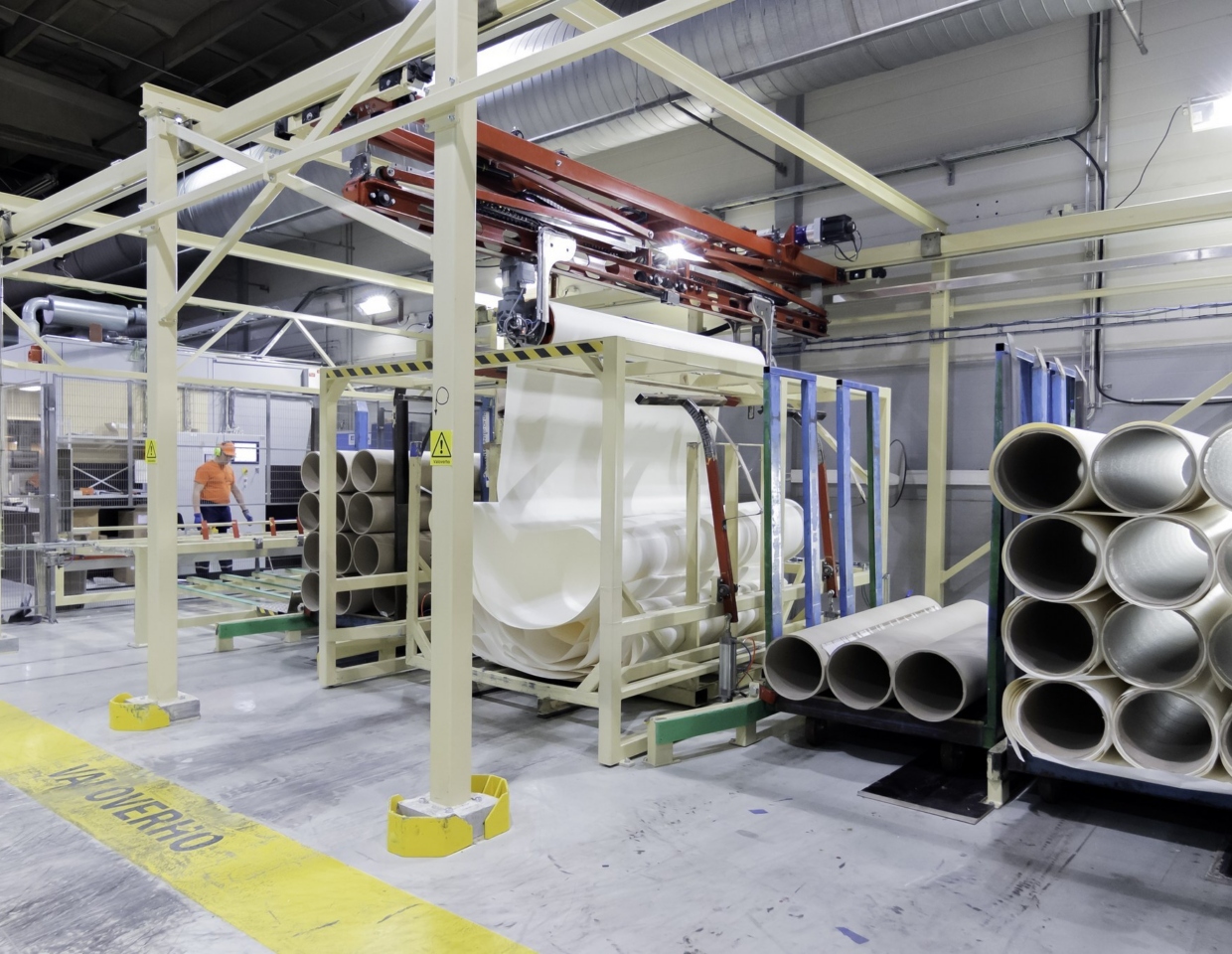
One of the most significant improvements at Imatra has been the introduction of electronic systems. At the Imatra mill, safety observations are now primarily made using mobile phones, which has made the process significantly easier and more active.
"QR codes have been placed in the production facilities. Even outsiders can make observations using a mobile phone if necessary," Janne explains.
An electronic hazard assessment tool has also been introduced for maintenance and exceptional situations; it is used on a mobile phone before starting maintenance work that deviates from normal operations or is performed during production. This has brought a modern approach to the workplace and has helped improve both workplace safety and proactive planning.
Daily safety efforts are evident in everyday life
According to Janne, the safety culture at the Imatra mill is currently at a relatively high level, but maintaining and improving it requires ongoing effort and keeping safety issues front and center in day-to-day work and daily discussions.
The plant has different work schedules, so safety communication is important. At monthly occupational safety meetings, safety observations and areas for improvement are discussed in greater depth, with the aim of systematically addressing them.We strive to actively identify safety issues
At the Imatra core, safety observations are made and issues are addressed. These observations are handled systematically.
“The rolling meeting memo in the mill information system displays up-to-date safety information. Safety-related topics are also featured on the info TV,” Janne explains.Since the Corex mill is located on the Stora Enso plant site, a workplace safety card, first aid training, and a hot work permit are mandatory for Corex employees. In addition to these, customized training sessions have been organized in Imatra in collaboration with occupational health services.
Work ergonomics training has been particularly important. With the help of this tailored training, employees can work as ergonomically as possible. Before production equipment was automated, cores were largely handled by hand in Imatra, which put a strain on the musculoskeletal system.
Risk assessment is part of everyday life
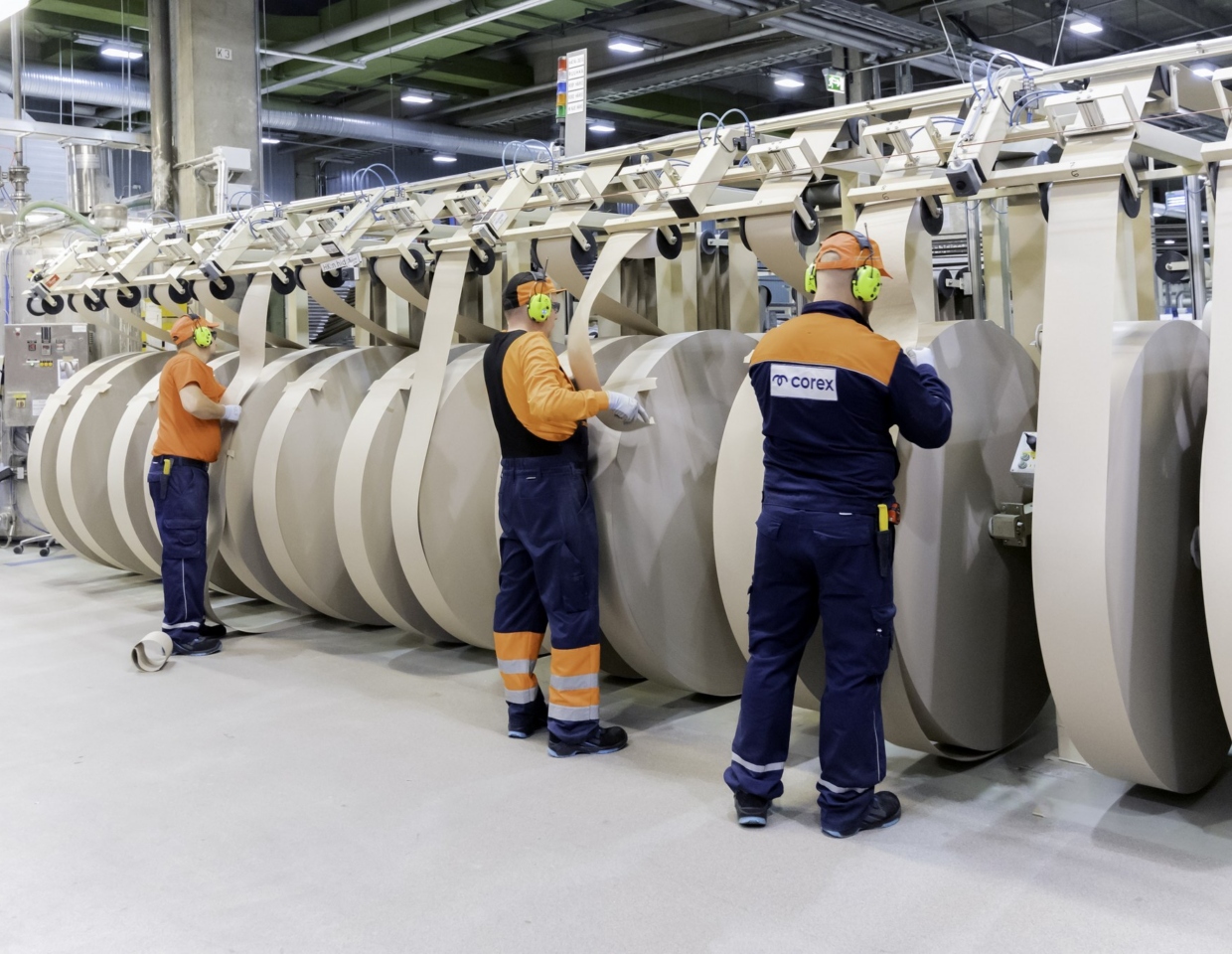
Risk assessment is an integral part of the work in Imatra. Task-specific risk assessments related to exceptional situations and maintenance tasks are conducted electronically before work begins. In addition, we strive to keep task-specific risk assessments up to date and update them whenever relevant changes occur.
“I think it’s important that we’ve also incorporated risk assessments into the onboarding process. We go through the risks associated with the factory and the tasks with a new employee during the onboarding process,” Janne explains.
The risks are documented electronically in the factory information system.
Orientation, on-the-job training, education, and communication
When a new employee joins the company, they first receive a general orientation. After that, a job mentor is assigned to them. The onboarding process uses a checklist that includes all relevant information and links to safety-related documents and guidelines. At the end of the process, a joint meeting is held with the employer’s representative, the mentor, and the new employee.
“Here, we use various methods to ensure that everyone is on the same page regarding training and skills. We also strive to keep even more experienced employees up to date through regular training and active communication.”
Practical solutions to everyday challenges
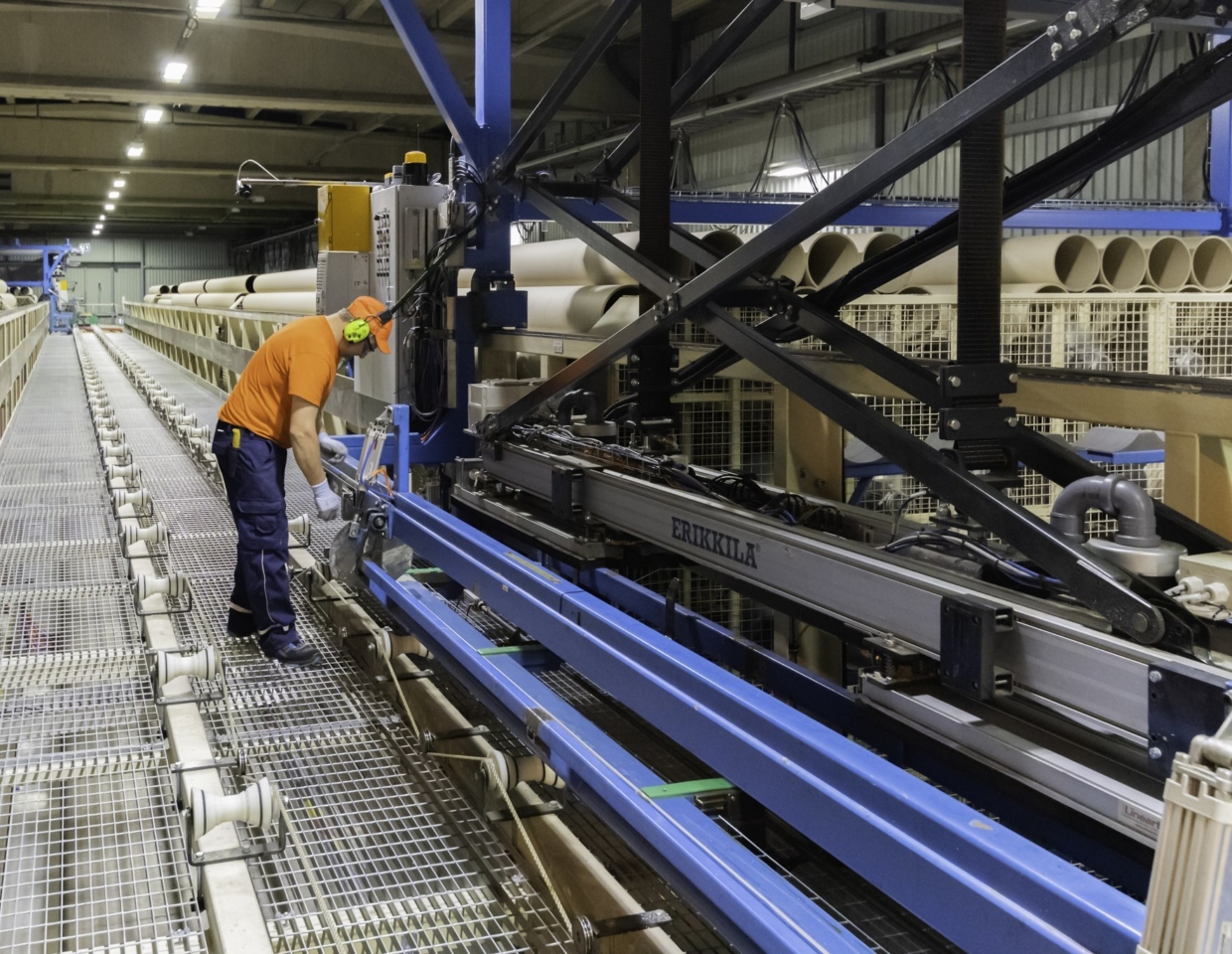
One of the challenges at the Imatra plant is the limited space, where pedestrian and forklift traffic share the same aisles. Due to space constraints, it has not been possible to separate pedestrian and forklift traffic, so it is particularly important that the aisles remain clear, visibility is as good as possible, and driving speeds are kept strictly moderate.
“With StoraEnso’s assistance, we have found a practical solution to this challenge: a forklift and pedestrian alert system. The forklift is equipped with an alarm and a receiver, and production personnel carry an alarm in their pockets. The system alerts both parties to each other’s proximity.”
Personal protective equipment, cleanliness, and equipment: the cornerstones of safety
At Imatra, the use of personal protective equipment is already a very natural part of the job. Protective gear has evolved significantly over the years, and employees have a wide range of options to choose from.
“Everyone can choose the model that suits them best. Using protective gear has become such a natural part of the job that it’s hard to imagine working without it,” Janne notes.
Cleanliness is also a priority at the Imatra plant. Weekly cleanings are scheduled in the plant information system and carried out regularly by the staff.
“Cleanliness and safety go hand in hand. When the factory premises are clean, it’s also safer to move around and work.”
Safety investments in Imatra have focused particularly on machinery and equipment. Older production equipment has been updated to meet current regulations regarding machine safety.
For example, automatic measurement of sleeve ovality on the cardboard strip cutter has reduced strain on the musculoskeletal system, as the measurement was previously done manually with an ovality gauge. Anti-rotation devices and other machine safety solutions have also been added.
Safety culture is constantly evolving
Janne views the future of safety work at the Imatra plant in a positive light. The goal is to continuously develop, strengthen, and maintain the plant’s safety culture.
In his view, it is particularly important to focus on the orientation of young and new employees.
“When safety issues are properly taken into account right from the planning stage of on-the-job training, the internalization of the safety culture gets off to the right start from the very beginning.”
Janne succinctly summarizes the safety philosophy at the Imatra plant: workplace safety is also about caring for your coworkers.
At Corex’s Imatra plant, safety is indeed embedded in the work culture. It is evident in daily operations, open safety communication, modern safety tools, and employees’ commitment to the workplace safety culture.